
Denmark feels like Scandinavia’s slightly strange cousin who somehow has their entire life together.
Colourful harbours, endless beaches, Viking history, giant bridges, bicycle armies, cozy cafés, and a surprising number of blond residents fill the country, making you doubt the disappearance of Vikings.
Before visiting, I honestly thought it would just be… chill.
Instead, it became one of the most unexpectedly fun countries on our Scandinavian road trip. One minute we were walking through Copenhagen’s polished streets eating smørrebrød. The next day, I was standing inside a semi-lawless hippie town covered in graffiti before driving toward giant moving sand dunes that looked stolen from the Sahara.
Let’s dig into it!
Table of Contents

Why Denmark Is Perfect for a Scandinavian Road Trip?
Denmark is ridiculously easy to travel through. Roads are excellent, distances are short, ferries connect half the country, and the entire place feels designed for slow travel.
It’s also one of the best gateways for a bigger Scandinavia road trip.
From Copenhagen, you can drive across the Øresund Bridge directly into Sweden, take ferries to Norway, continue north toward the Faroe Islands and Iceland, or easily combine the trip to Germany. It feels less like a country and more like Scandinavia’s giant transportation hub floating between islands and sea wind.
If you’re travelling during summer, booking ferries ahead can save a ridiculous amount of money. Check out websites like Directferries.com to compare itineraries and prices.
It feels less like a country and more like Scandinavia’s giant transportation hub floating between islands and sea wind.
For van life or slow travel, this country ticks every box: clean infrastructure, extremely safe, dog-friendly culture, beaches everywhere, good nature access, and a generally relaxed atmosphere. Karma approved immediately.

Is It Expensive?
Yes. Accommodation, restaurants, coffee and parking add up fast — especially around Copenhagen. That said, Denmark is also very safe, easy to navigate, incredibly clean, and great for road trips.
We saved a lot by travelling in our van and spending more time in nature than in cities. I would highly suggest going either with a car and a tent or a camper van. This way you see the most of nature, sleep for free in the most beautiful places and keep that adventurous side alive.
You can have a look at companies like Indie Campers for vans or Booking.com for cars and hotels.
Copenhagen: Hygge, Bikes & Financial Damage
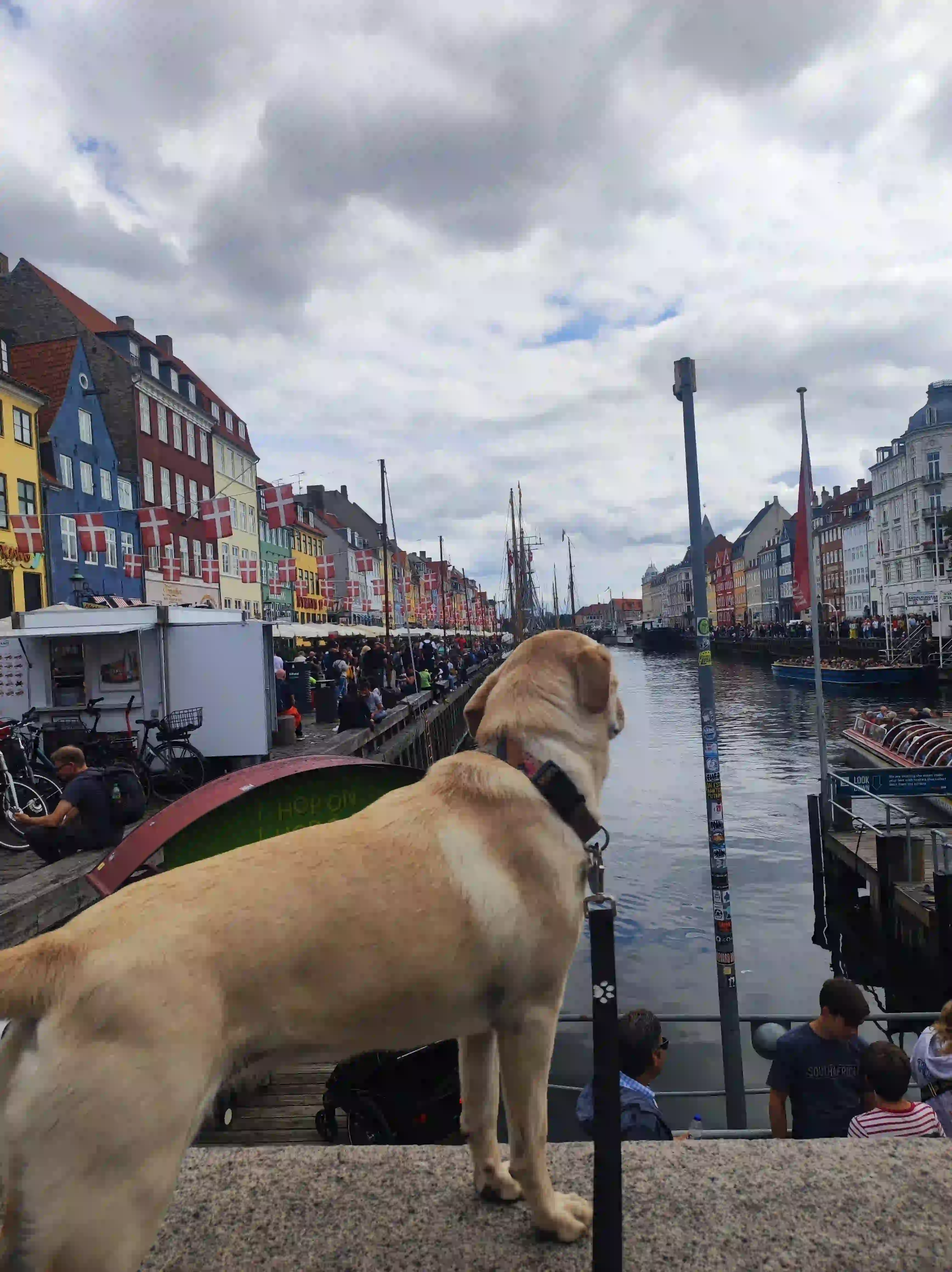
Nyhavn Looks Fake in Real Life
Nyhavn is one of those rare tourist spots that somehow still lives up to the photos.
The colourful harbour houses, old wooden ships, cafés, and reflections in the canal genuinely look absurdly picturesque. It feels like someone designed an entire neighbourhood specifically for Instagram and then accidentally made it historically important too.
Yes, it’s crowded. Yes, it’s expensive. Still worth it.
Copenhagen Is Expensive, But Worth It
Denmark isn’t cheap, but Copenhagen especially has a special talent for quietly evaporating your budget. A coffee somehow costs the same as emotional damage.
That said, the city is clean, beautiful, safe, walkable, and incredibly pleasant to explore for a few days. Even one big day could be enough if you’re on a tight budget. We mostly saved money by cooking in the van and staying outside the city.

Tivoli Gardens at Night
Tivoli Gardens becomes magical after sunset. Lights reflect everywhere, music drifts through the park, and the old amusement rides give the place a nostalgic atmosphere that feels oddly timeless. It’s one of the oldest amusement parks in the world and somehow still feels charming instead of overly commercial. Go at night if possible.
Danish culture
This sounds obvious until you get there.
The architecture, design, cafés, bikes, fashion, bakeries, parks, and even public benches all feel weirdly cohesive. Denmark somehow turned minimalism into a national personality trait. Even the trash cans are aesthetically pleasing.
Christiania: Copenhagen’s Strange Little Parallel Universe
Christiania is probably one of the weirdest and coolest places I visited in Europe.
Built inside an old military area by squatters and free spirits in the 1970s, the neighbourhood evolved into its own semi-autonomous “free town” with alternative lifestyles, handmade homes, murals, cafés, workshops, and a famously open cannabis trade.
Walking through Christiania feels like stepping into a post-apocalyptic art school run by bicycle mechanics and anarchist grandmothers.
Some parts feel creative and fascinating. Others feel chaotic and uncomfortable. Most feel unlike anywhere else in Scandinavia. Whether you love it or hate it, you’ll remember it.
Funky and abstract art promised!
Hvide Sande: Windy Surf Town
Hvide Sande became one of my favourite stops in Denmark.
This small coastal town sits between the North Sea and Ringkøbing Fjord, creating a strange mix of fishing village, surf town, and windswept Nordic beach paradise.
The beaches are huge. The dunes are wild. The sunsets feel enormous.
It’s also one of the best places in Denmark for surfing, kitesurfing, van life stops, and long beach walks. The wind there feels permanent, like Denmark installed a giant invisible fan facing the North Sea.
If you travel with a dog, this place is paradise. Karma absolutely lost her mind here.
Råbjerg Mile: A Tiny Scandinavian Desert
Yes, Denmark has a desert. Sort of.
Råbjerg Mile is the largest moving sand dune in Northern Europe and slowly migrates across the landscape every year because of the wind.
Standing there feels deeply confusing because your brain expects forests, Vikings, and cold beaches… not giant Sahara-looking dunes.
One minute: Vikings. Next minute: sand apocalypse.
Denmark really enjoys surprising people.
Aarhus: Denmark’s Cooler Younger Sibling
Aarhus feels more relaxed and less polished than Copenhagen in the best possible way.
There’s modern architecture, good cafés, waterfront areas, street art, and a younger atmosphere overall. During summer, you can even go wakeboarding nearby, which feels wildly unfair for a country that already won at urban design.
The city feels lived-in instead of curated specifically for tourists, which honestly made me enjoy it more.
Jægersborg Dyrehave & Rold Forest: This Country Hidden Nature
Most people don’t associate Denmark with forests or deer parks, but Jægersborg Dyrehave completely changes that. Near Copenhagen, hundreds of deer roam freely through ancient forest landscapes. At some points you’ll look up and realize you’re surrounded by deer silently staring at you like woodland judges. Perfect for walking, picnics, photography, or escaping the city.
Further north, Rold Forest is one of the country’s largest forests, with deep woodland trails, hills, lakes, mossy landscapes, and a general atmosphere that feels older and quieter than much of the rest of Denmark.
Store Blåkilde: A Secret Fantasy Spring
During this road trip, Denmark started feeling procedurally generated.
Near Arden, hidden in the Rold Forest area, we visited Store Blåkilde — a natural spring with absurdly blue water that looks like somebody dropped a piece of Iceland into the woods.
The crystal-clear water constantly bubbles up through limestone underground, creating this glowing sapphire colour that honestly doesn’t look real. Apparently, the spring stays the same temperature year-round and has been surrounded by myths and superstitions for centuries.
Tiny fairytale energy. Very Danish somehow.
It keeps looking calm and predictable right until it throws moving sand dunes, anarchist hippie towns, or glowing blue springs at you.

Weird & Fun Facts
- They Invented LEGO. Which honestly explains a lot about the architecture.
- Copenhagen has more bikes than cars
- Crossing bike lanes here feels like playing Frogger with Scandinavians.
- The Danish flag is the oldest national flag still in use
- According to legend, it literally fell from the sky in battle.
- This country consistently ranks among the happiest countries in the world
- Apparently pastries, bicycles, and social trust work surprisingly well together.
- They build some traditional Danish roofs that can last over 100 years. Especially the old seaweed and thatched roofs found in coastal regions (and they are so pretty!).
Travelling to Denmark with a Dog
Very.
Denmark ended up being one of the easiest countries we visited with Karma. Beaches are accessible, people are relaxed around dogs, nature is everywhere, and many outdoor cafés welcome them too. If you come from Europe, you do not need any other special requirements.
You can also always verify the updated requirements on the official government website here.
Karma was here: YES
Dog-friendly? Absolutely!

Final Thoughts
This country surprised me constantly.
I expected a calm Scandinavian country with pretty buildings and expensive coffee. Instead, I found giant sand dunes, strange hippie enclaves, Viking energy, endless coastlines, beautiful forests, ferry adventures, and some of the coziest atmosphere in Europe.
It’s not as dramatic as Norway or as vast as Sweden.
But this one definitely has personality. Quietly weird personality. And somehow, that made it unforgettable.
Related Posts
- Van Life Budget Europe 2026: Real Monthly Costs
- Norway Van Life On A Budget: Unforgettable Travel Itinerary (4 Weeks)
- Sweden Van Life Road Trip: Budget, Free Camping & 2 Weeks Itinerary

Don't be shy!